


To read full report, click here
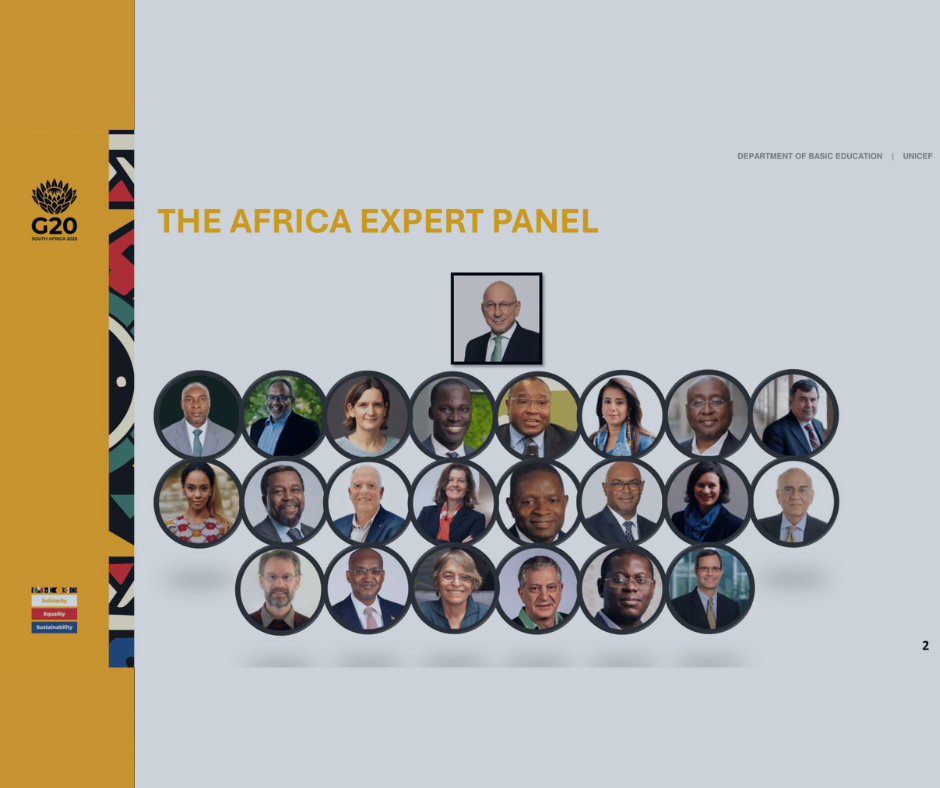
CAPE TOWN, South Africa – November 2025 – An independent panel of experts delivering a report for the G20 Leaders’ Summit this month has called for a fundamental reshaping of global cooperation to activate Africa’s economic promise. The findings, titled “Growth, Debt and Development: Opportunities for a New African Partnership,” detail a series of pressing recommendations to tackle the continent’s sovereign debt crisis and boost productive investment.
The report’s central finding is that “The greatest opportunity for global prosperity in the 21st century lies in increased African productivity,” asserting that the continent’s success is a “global imperative.” This imperative is driven by Africa’s young, rapidly expanding workforce and its vast natural wealth, including critical minerals. The experts propose a surge of productive investment in key sectors—infrastructure, energy, education, health, and climate resilience—to transition the development model away from reliance on aid.
Urgent Measures to Address Debt and Development
The experts argue that the current sovereign debt crisis is a “shared responsibility” involving debtor nations, creditors, and international financial institutions. They stress that unsustainable debt must be resolved “speedily and decisively”, noting that many governments are currently “defaulting on development” to service debt, with over 3.4 billion people living in countries where debt service costs exceed spending on education or healthcare.
Key recommendations put forth to resolve the debt and development crisis include:
-
New Debt-Refinancing Initiative: Launching a fresh refinancing initiative for low-income and vulnerable countries, requiring contributions from the official sector, to manage the immediate bunching of medium-term debt service costs.
-
Establishment of a Borrowers’ Club: Convening African finance ministers to create a Borrowers’ Club to strengthen the collective negotiating power of debtor nations in discussions concerning the international financial and debt systems.
-
Multilateral Sovereign Debt Resolution: Building a multilateral sovereign debt resolution mechanism that is transparent, timely, and effective. Proposals include expanding the G20 Common Framework to include middle-income countries, ensuring automatic debt standstills, and mandating fair burden-sharing among all creditors.
-
Enhanced Debt Transparency: Providing support to developing countries to improve debt transparency and enhancing debt sustainability analysis to better differentiate between temporary liquidity challenges and permanent solvency problems.
Reforming the Global Financial System
The report also outlines specific proposals for reforming the global financial architecture to lower the cost of capital for African investment.
-
Credit Rating Agency Reform: Improving the regulation of Credit Rating Agencies (CRAs) by requiring the full disclosure of rating assessment data and reforming their methodologies. The experts observed that CRAs hold “considerable power to shape borrowing costs” and that their current methods are often disproportionately influenced by a single metric: GDP per capita.
-
Development-Oriented Financial Regulation: Applying a “stronger development lens” to global financial regulations, such as Basel III and Solvency II, specifically to encourage lending for infrastructure.
-
Strengthening Development Banks: Expanding the balance sheets of all Multilateral Development Banks (MDBs) and Development Finance Institutions (DFIs) to boost concessional and non-concessional financing for infrastructure projects.
-
Independent Review of the IMF: Initiating an independent review of the International Monetary Fund (IMF) and its function in Africa, in collaboration with the G20 Finance Track, citing the ongoing absence of an effective African voice within the institution.
The panel concluded that the era of “incrementalism has passed,” urging G20 nations to move beyond “rhetoric” and demonstrate commitment with “real commitments to investment, reform, and partnership.” The report frames the global choice as one between “Shared prosperity or systemic fragmentation.”